Magnificent, mysterious and monumental, Ajanta & Ellora are located in the state of Maharashtra in India. Ajanta, carved and painted on the Sahyadri range in the middle of the Crescent Valley of Deccan Plateau and Ellora hewn out from the solid Rock of Charandari Hill are now designated as UNESCO World Heritage Sites. Built about 1400 to 2000 years ago these two top the list of the must visits in India. According to Sir John Marshall, former director of Archaeological Survey of India, a foreigner visiting India must see a minimum of six creations, namely Ajanta, Ellora, Sanchi, Khajuraho, Konark and Taj Mahal. To be more precise, the three best Treasures of India are Ajanta, Taj Mahal and Konark.
Not going into enormous detailing, this post of mine will guide you regarding the tits and bits you need to know before visiting these two striking and awe- inspiring sites of India.
CONTENTS:
- A little history
- Location
- Time to visit
- Weather at the caves
- Off days
- How to reach
- Where to stay and eat
- Timings and fees
- Regarding guide
- About the caves
A LITTLE HISTORY:-
Ajanta: The caves at Ajanta excavated in the horseshoe shape of a steep Rock, about 76m high, overlooks a narrow sinuous gorge through which flows the stream of Waghora after descending from a waterfall of seven leaps, known as SaptaKund.
It is not known under whose patronage the nucleus sprouted, but the general belief is that they were built in two distinct periods ranging from 200 BC to 650 AD.
Caves of the earlier group were probably under the patronage of Satavahana dynasty and belonged to the Hinayana tradition of Buddhism. The second phase of construction began in the 5th century and most of the work took place over the very brief period from 460 to 480 CE during the reign of Hindu Emperor Harishena of Vakataka dynasty. These caves belonged to the Mahayana cult of Buddhism.
The caves were excavated for the use of monks during their retreat in the rainy season, when the valley was at its best in verdant beauty.
After the decline of Buddhism, the caves of Ajanta were completely abandoned and gradually forgotten by the world until it’s dramatic rediscovery in 1819, when a British officer named John Smith while hunting tigers sighted the upper part of the highest facade of cave number 10.
A few decades after this, the Ajanta Caves became famous for their ritzy architecture and impressive paintings through the untiring efforts of Fergusson, Griffith, Robert Gill and later on by the Oriental Art sector headed by Abanindranath Tagore and his team.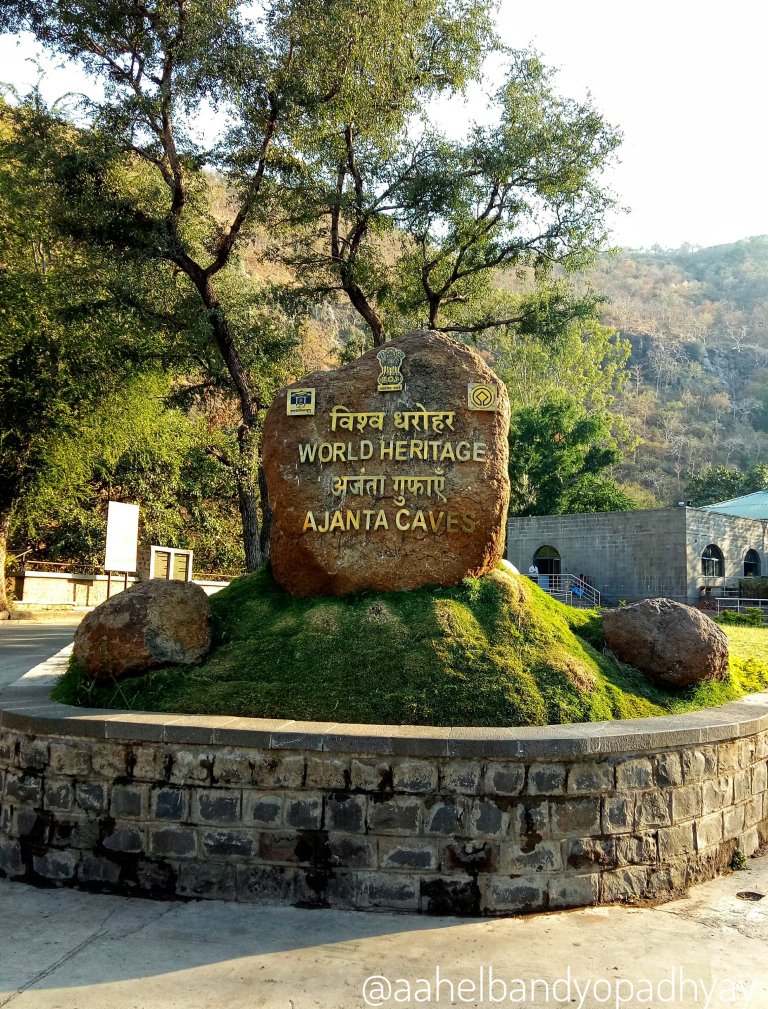
Ellora: Ellora, also known as Verul or Elura are the modern names of Elapura.
The massive ellora caves consist of Buddhist, Hindu and Jain caves rightly pointing towards religious harmony which stands an important reason for Ellora being a UNESCO World Heritage site.
The overlapping styles between the three groups of caves have made it difficult to establish an agreement concerning the chronology of the construction, but the broad consensus that has emerged is that Ellora caves had three important building periods:-
– an early Hindu period,550 to 600 CE(caves built by the Traikutaka and Vakataka dynasties)
– Buddhist phase,600 to 730 CE (caves built by the Chalukya Dynasty)
– a later Hindu and Jain phase 730 to 950 CE (late Hindu and early Jain caves built by the Rashtrakuta dynasty, while the Jain caves were built by the Yadava dynasty)
Unlike Ajanta, Ellora was a site for visit from its very inception.
LOCATION:-
Ajanta: Is located in Aurangabad district of Maharashtra. It is about 104 kms from.the city of Aurangabad and 350 kms east-northeast from Mumbai.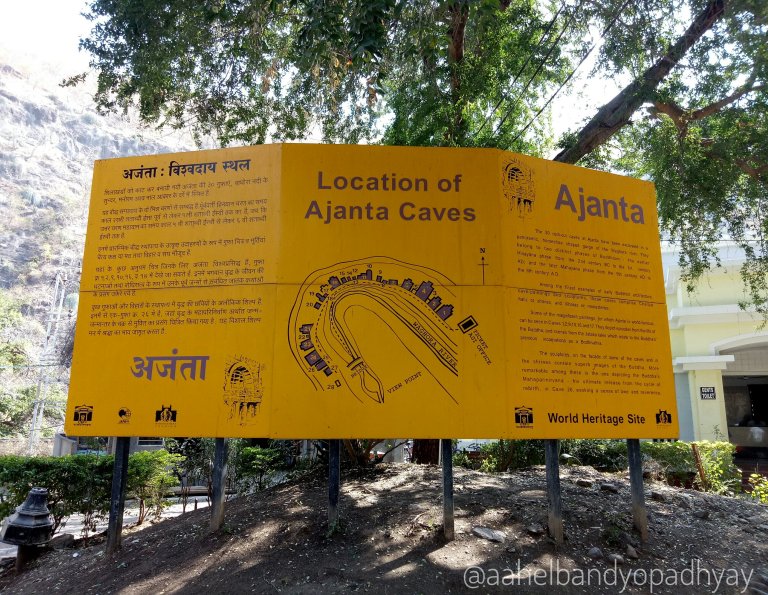
Ellora: 100km west to Ajanta are the Ellora caves which is 29 kms northwest of Aurangabad and 300 kms east-northeast of Mumbai.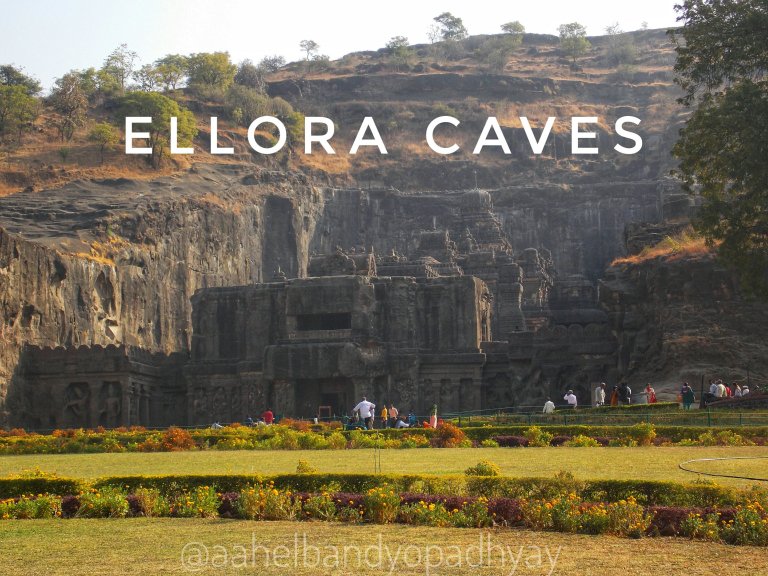
TIMES OF VISIT:-
June to March are the best months to visit the Caves.
It is better to avoid the months of April May as the scorching sun will surely take a toll on Tourists and make it difficult to enjoy the historical beauty of the Caves.
WEATHER AT AJANTA AND ELLORA:-
Winter is the best time to visit the caves when the weather remains very pleasant.
When I visited the caves in the month of January there was no need of any woolens during the day. The temperature dropped a little at night and a simple jacket was enough to cover up.
Monsoon drenches the region in lush green beauty. Since it’s not very intense in Aurangabad, travel is rarely impaired. As September approaches, the rains decrease and the weather becomes more comfortable.
Summer is not at all a good time to visit the caves, temperature hits 40ºC and the caves may turn claustrophobic and sweaty for some This is the off season rendering travel and accommodation cheaper. So if you are a solo vacationer with good physical health and travelling in a tight budget, summer can be a good time for you.
OFF DAYS:-
The Ajanta caves are closed on all Mondays and Ellora caves on all Tuesdays.
So make sure you plan your tour avoiding these days in respective sites.
Both the caves are open on national holidays.
HOW TO REACH:-
By air- Nearest airport is Aurangabad Airport. It has connecting flights to Delhi, Udaipur, Mumbai, Jaipur, Hyderabad, Pune and Nagpur. From the airport, buses and cabs are easily available to all major tourist places of the city.
By road- Aurangabad is served by two bus stations, namely, Central and CIDCO bus stations. It connects the city to other major cities like Pune, Nagpur, Mumbai etc. From here you can get buses or cabs to reach the caves, which are about 104 kilometres (Ajanta) and 29 km (Ellora) away.
By train- Jalgaon railway station located at a distance of about 60 km is the nearest from the caves. It is 159 kms from ellora.
If you are travelling by train you can travel to Ellora from Jalgaon which takes about 4.5 hours by road. It takes about 2.5 hours to reach Ajanta from Ellora. Then you can return via Jalgaon railway station which takes about 2 hours to reach from Ajanta by road. Bhusawal railway station is also another option, located at about 64 km from Ajanta.
WHERE TO STAY AND EAT:-
You can stay at Aurangabad and travel by bus or cab to the Caves. Aurangabad MTDC resort is a good option with an average tariff of 1500 per night.
Advantage~ being located in the heart of the city you can visit other tourist attractions like Bibbi Ka Maqbara, Panichakki, Daulatabad fort with ease.
Disadvantage~ though it is not very far away from ellora Caves (29 km), the distance from Ajanta being nearly 100 kilometres, staying in Aurangabad may not satisfy the soul of an enthusiast.
For those who plan to spend more than a day amidst the artistry, staying near the caves is always a better option.
Ajanta:
Accomodation: There are two MTDC resorts at Ajanta:-
- Ajanta T junction MTDC Resort:-
Advantage~ Surrounded by trees, flowers and mountains on all sides, this is the one located nearest to the Caves, just beside the shopping Plaza and shuttle bus stop. A total of 5 cottages are there, each with the tariff of 1800/- per night.
Disadvantage~ After sunset the place becomes completely desserted and the nearest township of Fardapur is about 3 km away. For dinner, either you have to order it from nearby places or you can go to Fardahpur by car.
During my visit to the Ajanta Caves I stayed in this resort and as per my opinion the beauty of this place from Sunrise to Sunset equals its risk and problems from Dusk to Dawn.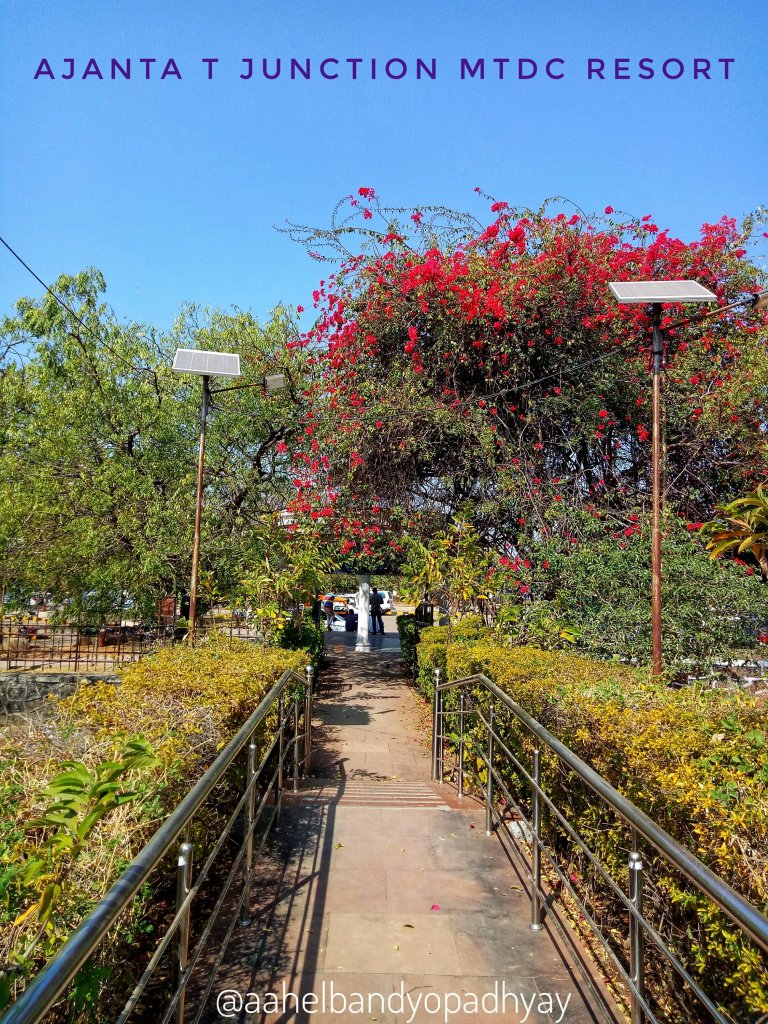
- Fardapur MTDC Resort:-
Considering the risks of the former one a better option to stay near Ajanta is the Fardahpur MTDC Resort with a tariff of about 1500/- per night.
The only disadvantage being, the distance from the caves is a bit more than the previous one
Food:
Breakfast:- On your way to the caves you will find the shopping Plaza which offers the local smell of the small town.
The cordial behaviour of the shopkeepers will surely impress and you can have a sumptuous local breakfast there at a very reasonable price.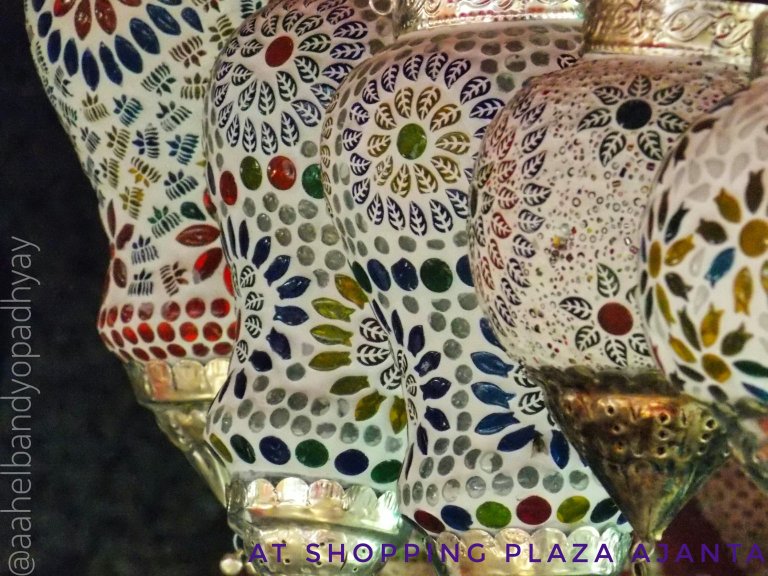
Lunch:- The best option for lunch is the MTDC restaurant present within the premises of the caves. After the tiring, yet memorable stroll through the caves, whether you plan to leave or re-enter, the fast, safe and good food served here will certainly satisfy your hungry stomach.
Dinner:- You can have it at your hotels. For those staying up at AjantaT junction MTDC Resort or planning to have it elsewhere, there are lots of dhabas present in Fardapur to serve you, of which Hotel Radhe Krishna Fardahpur, a roadside vegetarian restaurant, deserves special mention.
Ellora:-
Accomodation:
There are no MTDC resorts near the caves. A number of private lodgings are present of which the nearest is Hotel Kailash. Staying here you can wake up to see the Caves standing right in front and get there in just a 2 minutes walk. Non AC rooms, AC cottages and Cave facing AC cottages are available with tariffs of 2300/-, 3500/-, 4000/- per night respectively.
Unless you wish to see the Majestic beauties right from your room, the cave facing AC cottages are a luxury, as because Hotel Kailash has a huge lawn with all kinds of arrangements to sit back and enjoy the view of the mysterious caves. Other hotels like Ellora Heritage Resort, Vrindavan Resort are present about 2 km away from the caves with tariffs of almost the same rangeas Hotel Kailash.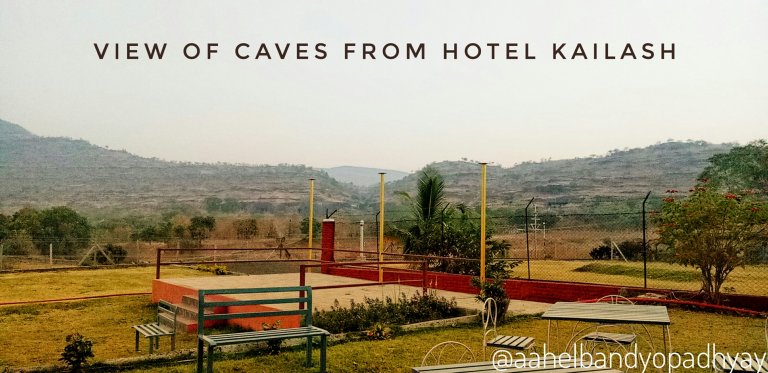
Food: The Dhabas present just outside the cave entry point offer good food at fair prices.
TIMINGS AND FEES:-
Ajanta :- Opening time- 9 a.m.
Closing time- Sunset
Entry fee- 40/-per person
Bus to Ajanta fee- 30/-per person (AC bus)
20/-per person( non AC bus)
Ellora:- Opening time- sunrise
Closing time- sunset
Entry fee-40/-per person
Bus to Jain Caves and cave 29- 20/-per person
REGARDING GUIDE:-
Ajanta:- Guides are available infront of cave 1.
The rates are 1600/- for 5 persons.
They will give you a brief description of the cave paintings and architectures in 2 hrs.. This is indeed a good start for knowing the caves, giving an overview to the novice tourists;but this stands nothing in comparison to the herculean architecture and magnificient paintings of Ajanta.
Ajanta demands a day more.
Narayan Sanyal’s “AJANTA APARUPA” is a must read before going there, which nicely describes the stories of Jataka represented on the walls of Ajanta.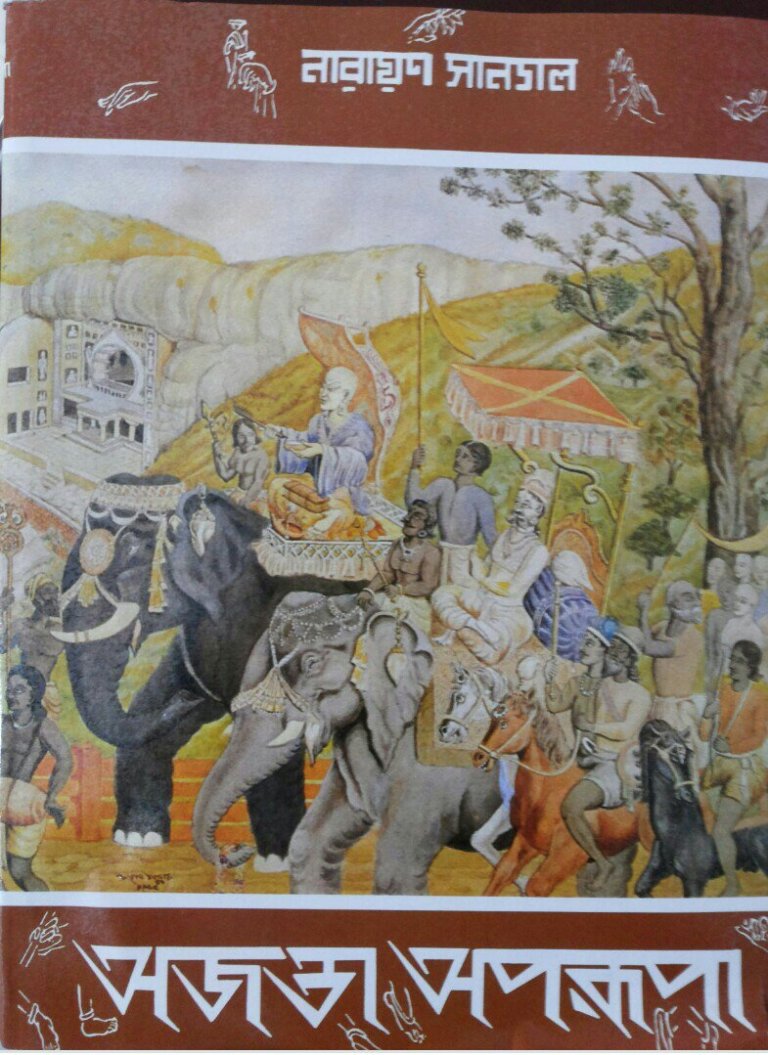
You can contact tour guides from before also.
Of them, Mr. Aleem Quadri is a gem of a man. He is not only knowledgeable about the local and Indian history , but also very fluent in English and an excellent conversationalist. He can be reached on 9890656742, email: aleem_quadri28@yahoo.co.in .
Ellora:- Government guides are available at the ticket counter at rates of 1600/- for 2 hrs.. They will take you to the most important caves and for the rest, you can take help of the guide books on Ellora and Ajanta which are available outside.
ABOUT THE CAVES:-
Ajanta:- There are 30 Buddhist caves in Ajanta, of which 5 caves are chaityas(temples) while the remaining 25 are viharas or monasteries.
Technically speaking the Ajanta paintings are Tempera.
Here the artists used to make a coarse surface of walls by chisels and hammers.Then it was coated with a thick layer of clay and cowdung mixed with rice busks and a fine coat of lime was applied later on to produce a smooth polished surface on which the artists painted.
There are two types of paintings-the wall and ceiling paintings and the prominent colours used were yellow, green, white, red, blue and black.
The blue colour was imported from Persia and the black was taken from lamp black, rest of the colours were obtained from minerals.
Of special mention among the caves of Ajanta are cave no. 1,2,4,10,16 and 26.
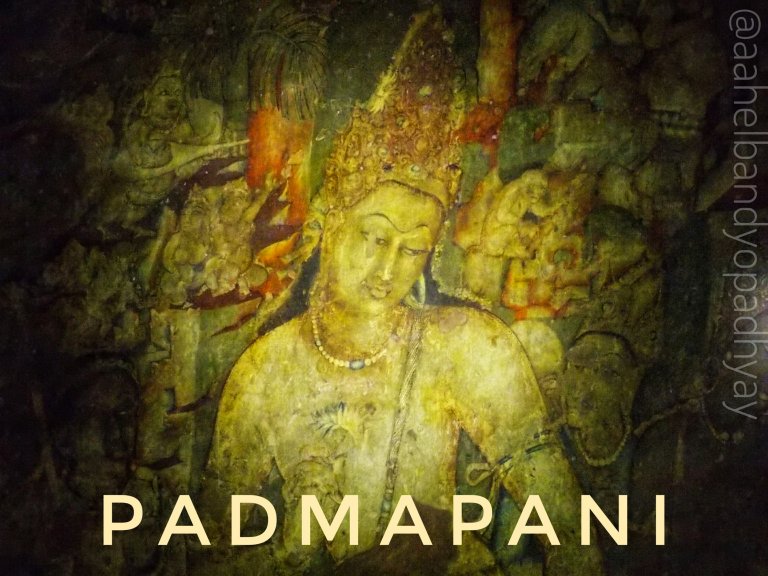
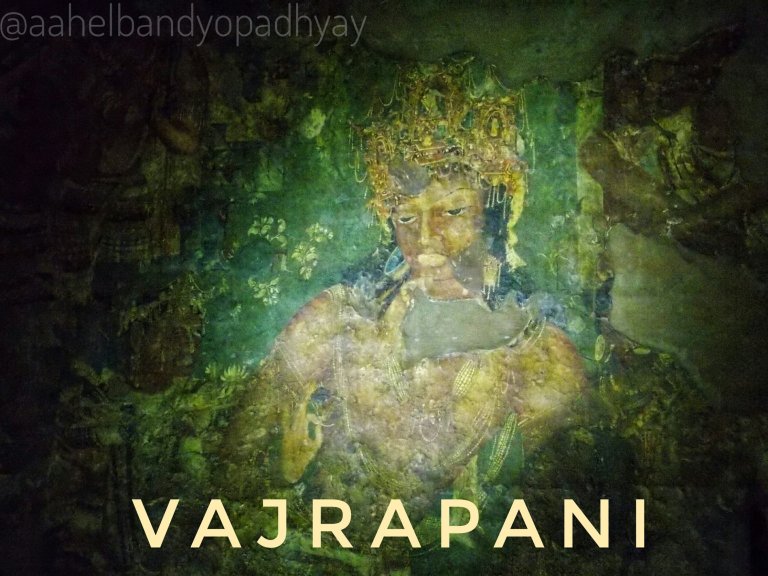
- Cave 1:- contains the world famous paintings of Padmapani and Vajrapani, along with the stories of Sibi Jataka,Mahajanaka Jataka(showing king and queen Shivali).
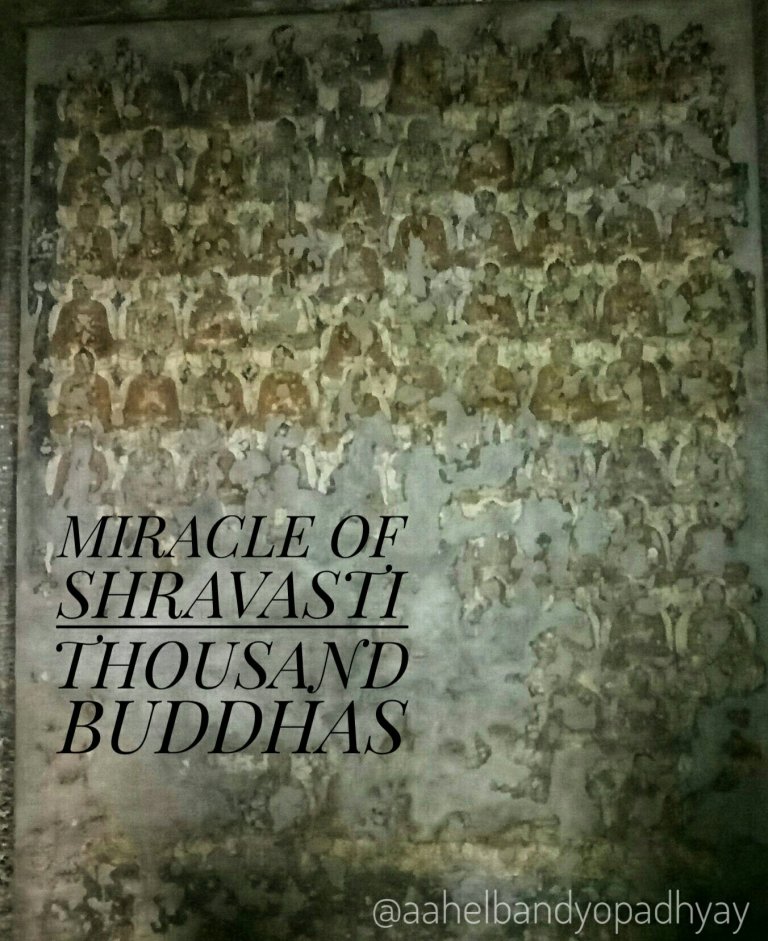
- Cave 2:- shows the Miracle of Shravasti (thousand Buddhas) and has elegant and charming sculptures of Sankhanidhi , Padmanidhi on left side and Kubera and his wife Hariti on the right side of Buddha.
- Cave 4:- Is the largest vihara cave at Ajanta. Outside the cave in the verandah on the right side is the famous sculpture of Padmapani Avolokiteshwara who rescues the living beings from eight great perils to human life.
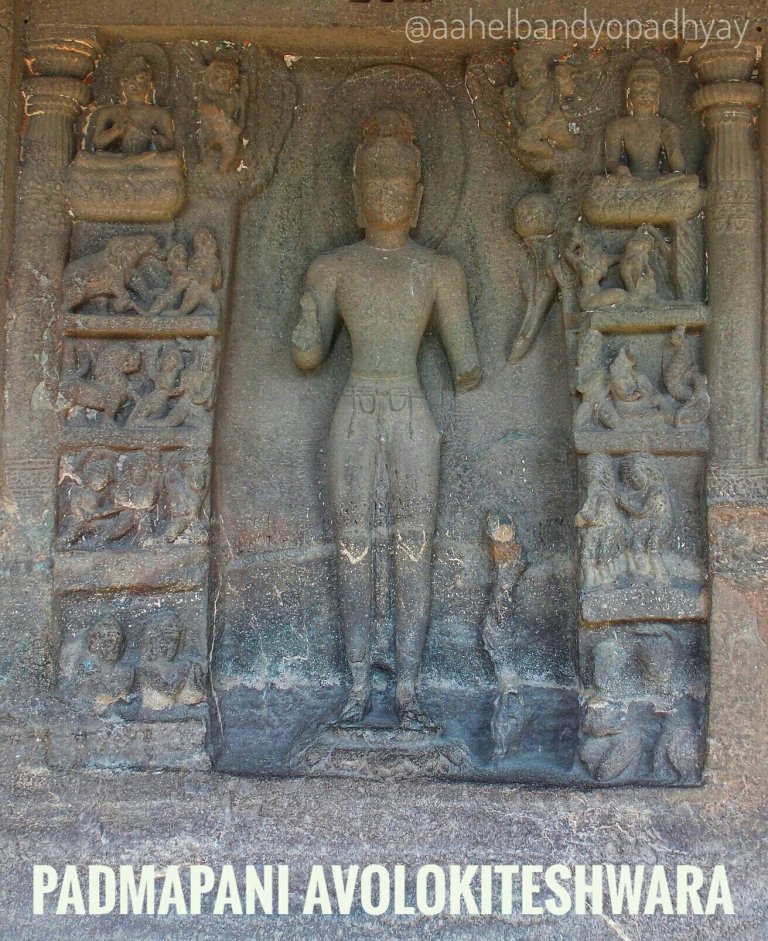
Some of the attributes of Padmapani Avolokiteshawara are- eyes looking downwards,image of Buddha in crown, rosary beads in right hand and holding of a lotus in left hand.
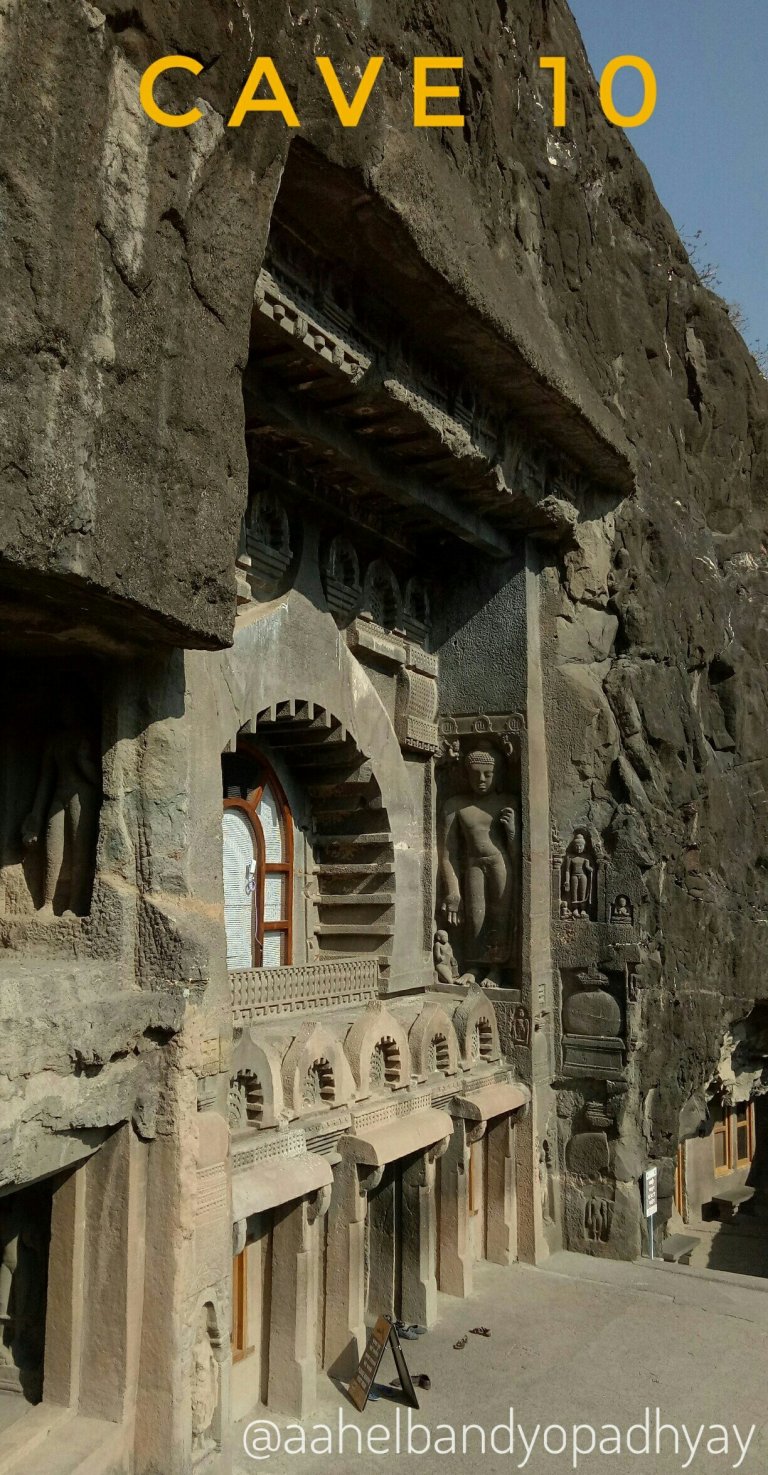
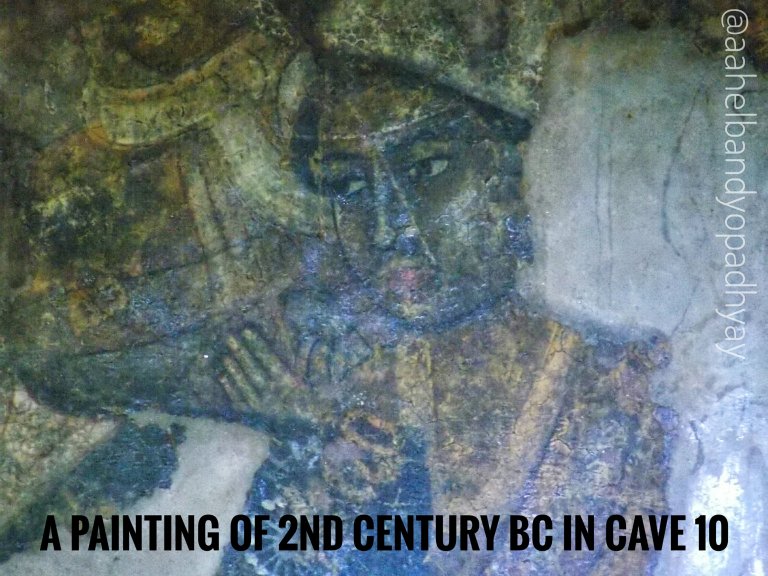
The ceiling of this cave is unfinished, showing the tempera technique of painting. - Cave 10:- This is the oldest Hinyana chaitya dating back to 2nd century BC. Which was first spotted by Sir John Smith in 1819.
- Cave 16:- This monastery is present in the middle of the horseshoe mountain. This cave was the most beautiful one, but owing to weak mud plaster nearly all paintings have been destroyed.
This is especially known for the famous painting called The Dying Princess.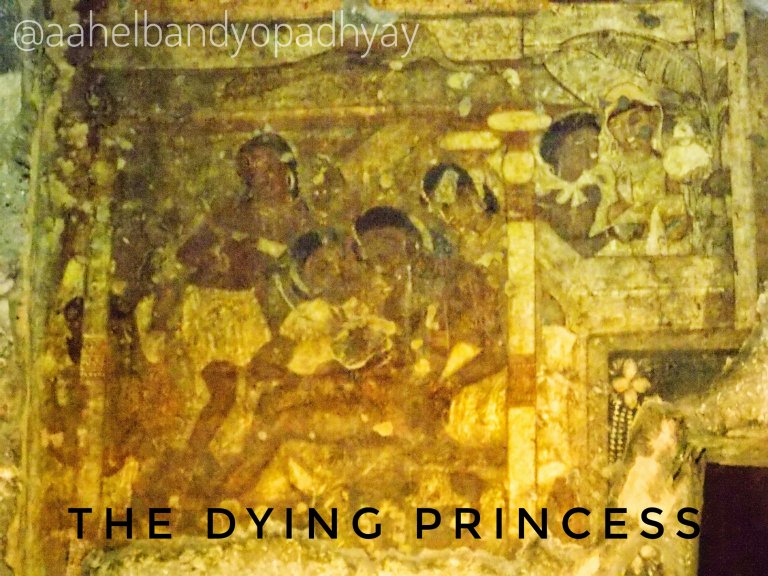
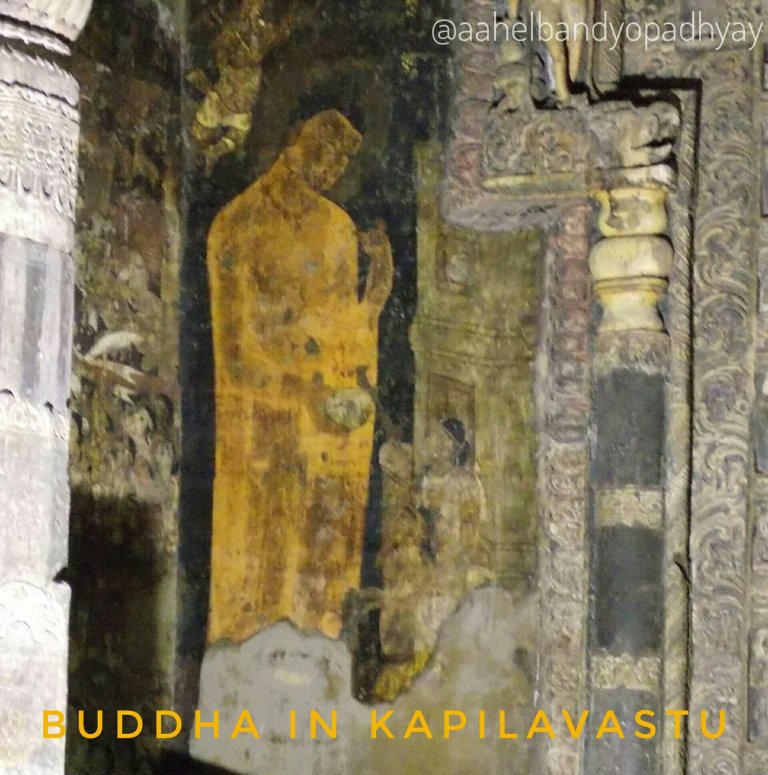
- Cave 17:- Contains the renowned painting of Buddha in Kapilavastu to greet his wife Yashodhara and his son Rahul. Another picture of immense importance is that of Flying Apsara.
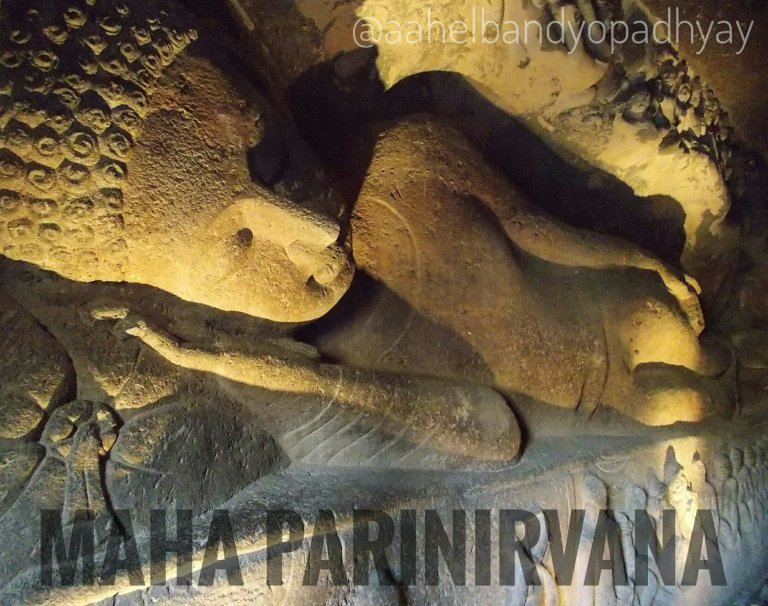
- Cave 26:- The last of the Ajanta caves open to public is cave 26, famous for the sculpture of Maha Parinirvana, which shows Buddha in reclining posture.
Each consecutive visit to the Ajanta caves renders a different meaning.
Ajanta will offer a lifetime experience to anyone who visits,but in exchange, what it demands for is your time, perseverance and discipline to protect this huge heritage of India for a few centuries more.
Tips: 1.You must take a high power LED torch to the caves. This will help you to appreciate the paintings much more.
2. You can go to the Upper View Point, situated about 22 kms away from the caves to appreciate the horseshoe shape of the mountain in which the caves were excavated. This place gives a heavenly view of Ajanta at early morning when the sunrays directly fall on the caves.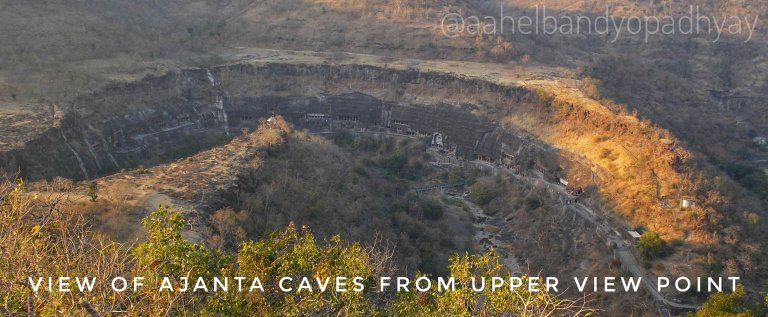
Ellora:- There are 34 caves in Ellora of which the first twelve are Buddhist caves, caves 13 to 29 are Hindu and the last group of caves from 30 to 34 are the Jain caves.
All the caves are monolithic structures, which follow the frontback technique,except the Kailash temple following the top bottom technique of excavation.
Of special importance among them are caves 5,10,14,15,16,29 and 30.
Buddhist Caves:
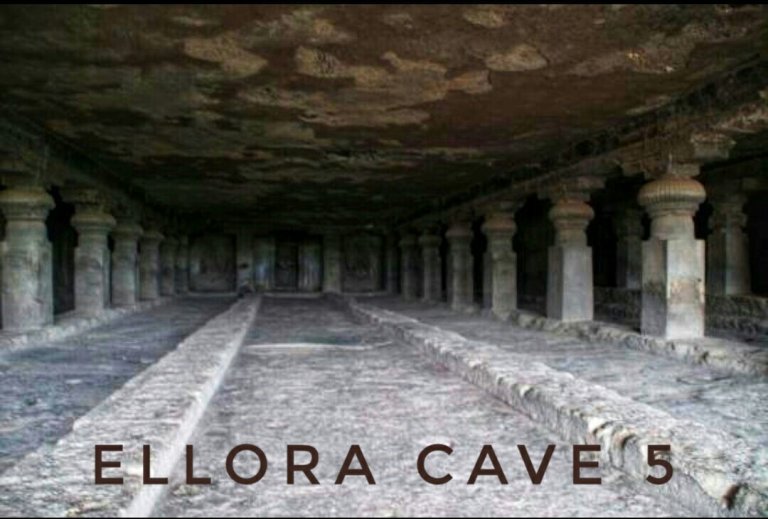
- Cave 5:- Is the largest of the single storied caves containing 24 massive pillars, 20 cells, 2 raised long stone platforms and shrine with a giant statue of Buddha flanked by Padmapani and Vajrapani on both sides. The cave by its size indicates that it was used by monks as a classroom or as a dining hall.
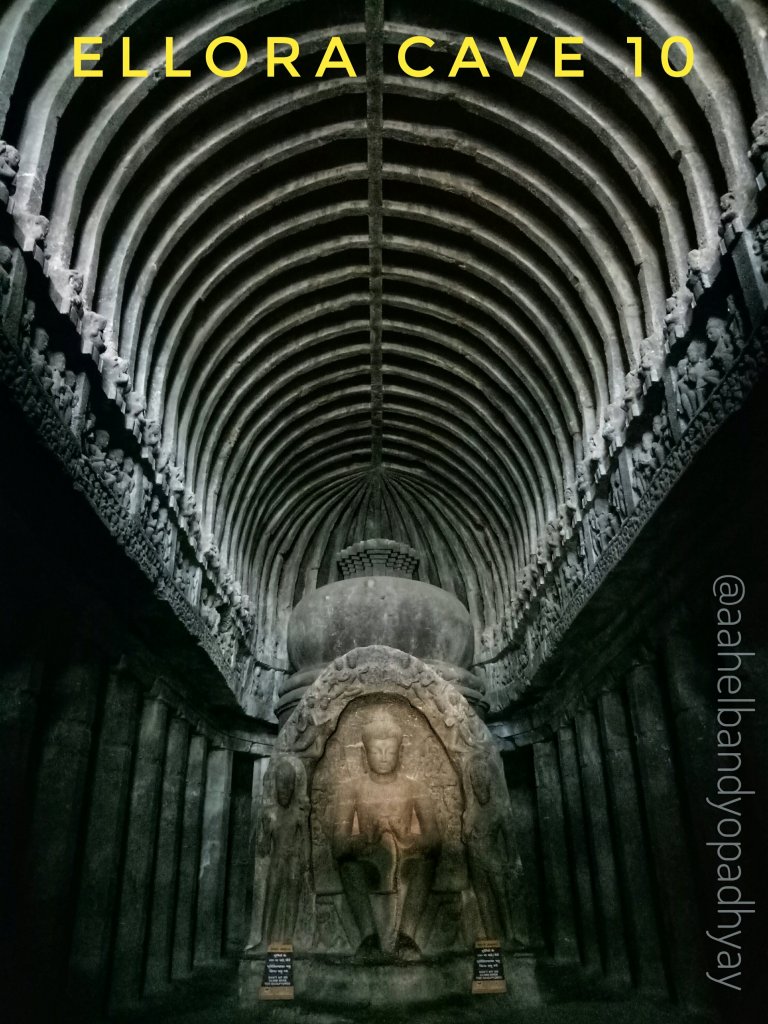
- Cave 10:- Also known as Carpenters Cave, this is the only chaitya (chapel) cave in this group. It has got such a name as because the exterior decoration of this cave gives an impression that instead of stone, wood was the building material.
This cave has an excellent acoustic, which you can yourself try standing beside the pillars.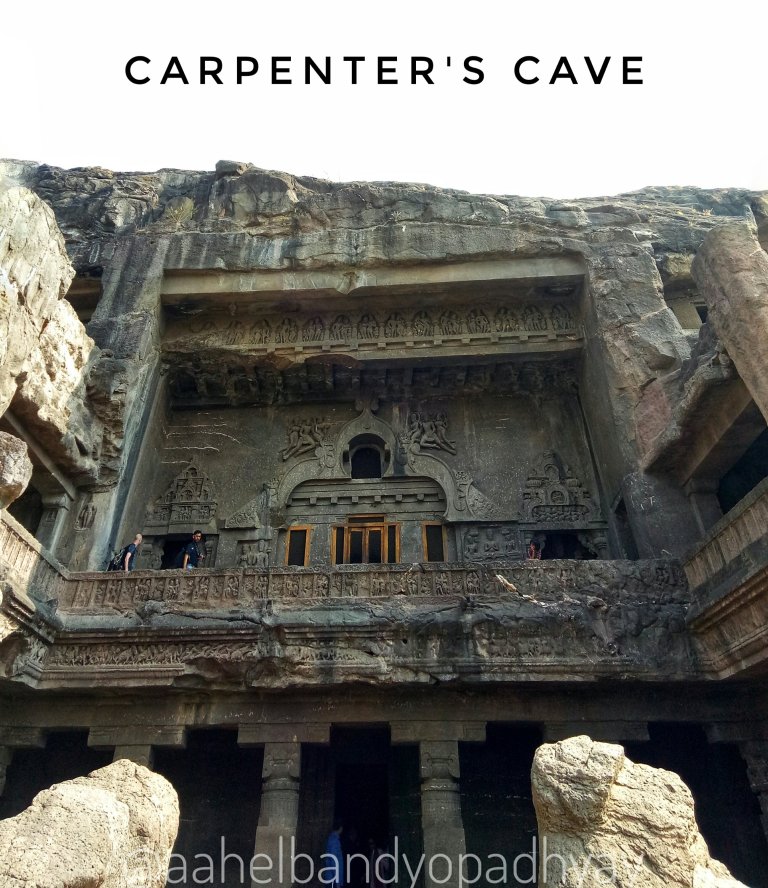
Hindu Caves:-
- Cave 14:- Is also known as Ravana Ki Khai.
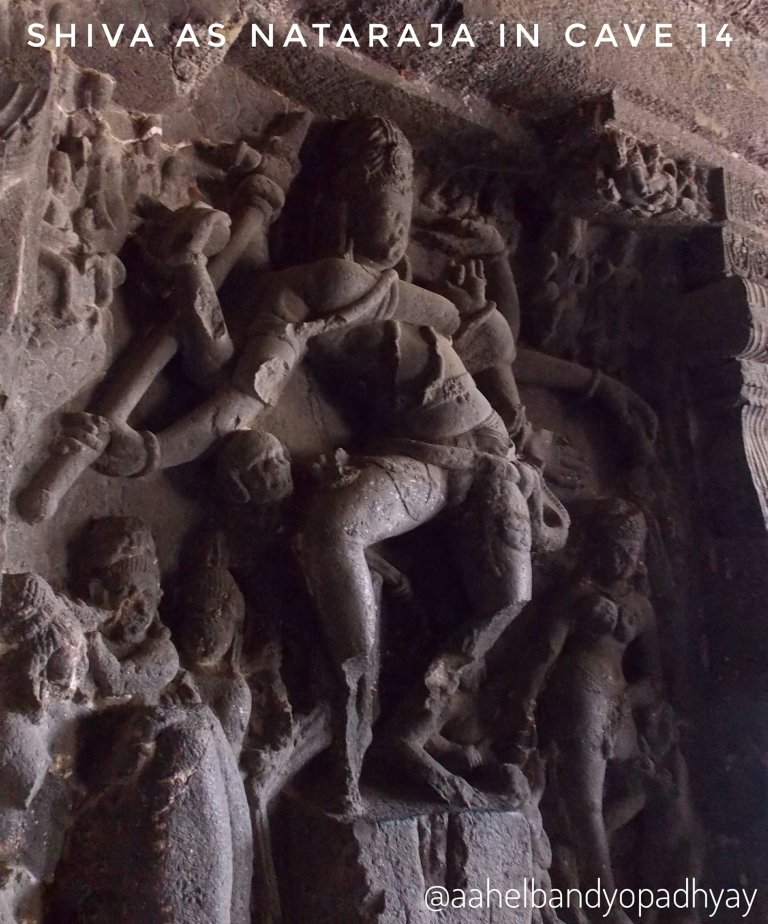
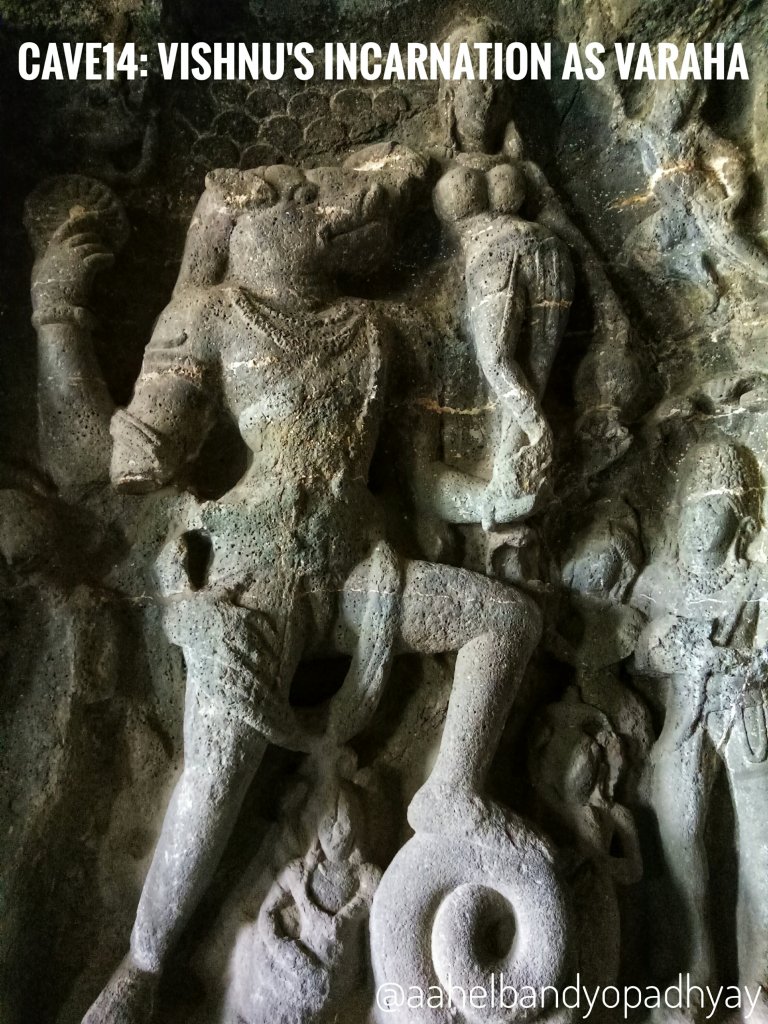
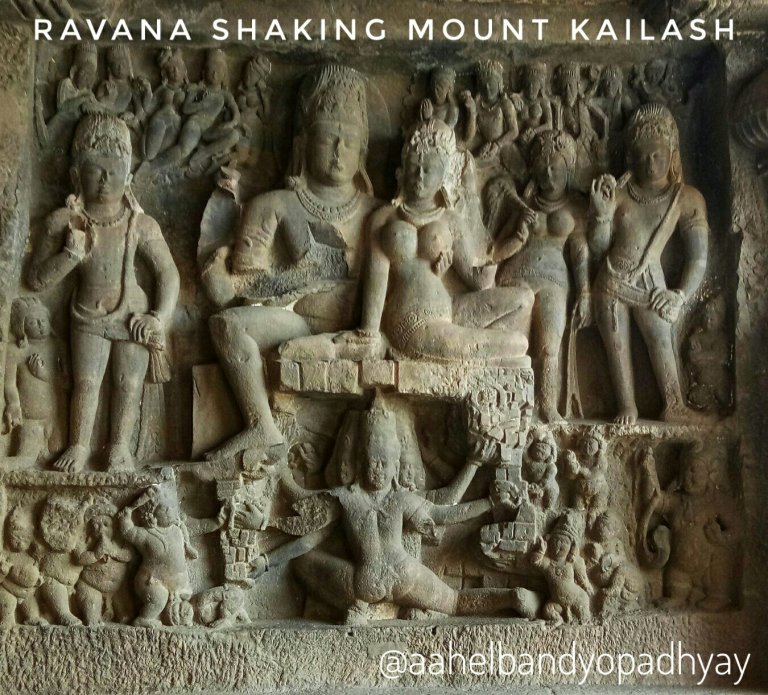
- Cave 15:- Also known as Das Avatara, whose second storey contains sculptures depicting incidents like Shiva killing Andhaka, Shiva and Parvati playing dice, Ravana shaking Mount kailash and many others.
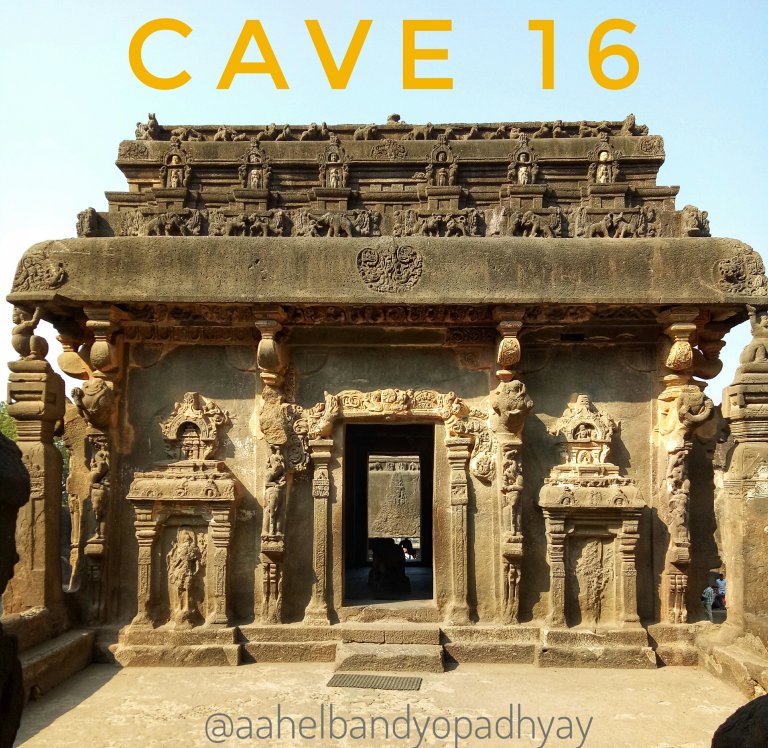
- Cave 16:- The Kailasanatha temple is completely different from the others and is fully exposed to natural elements. The temple is created in the form of a chariot starting with Gopuarm, Mandapam and ending in the Garbhagriha.At the entrance are the sculptures of the goddesses Ganga and Yamuna suggesting purification by their waters. Vyas, the author of Mahabharata and Valmiki, who wrote Ramayana are seated inside,. On each side of the doorway are the images of Kubera .The welcoming party is completed by the figures of Ganesha and Durga. Just opposite this is the image of Gajalakshmi. Then comes the stylized flagstaffs and elephants on each side of the courtyard.
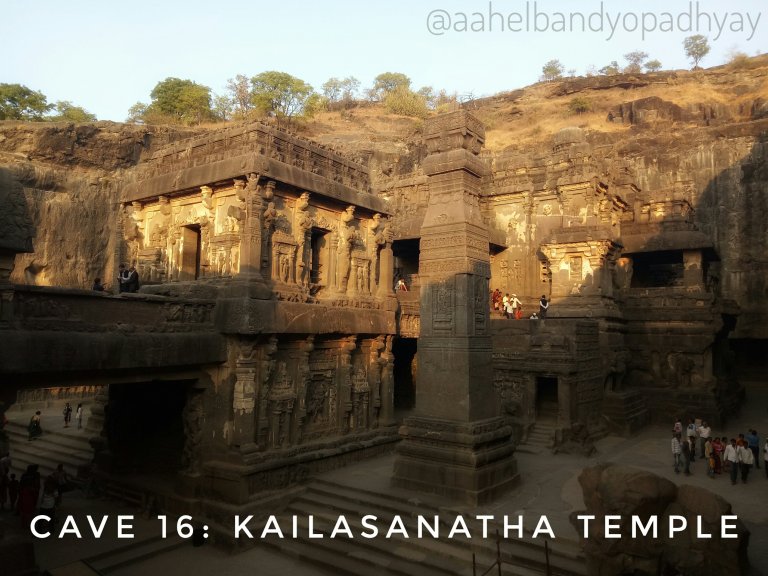
There are two distinct levels taking the devotees from the courtyard to the central hall. Around the courtyard is a cloister portraying series of images of Shiva and Vishnu myths.The Ramayana and the Mahabharata portrayed on the two sides of the central structure is another gem of the temple.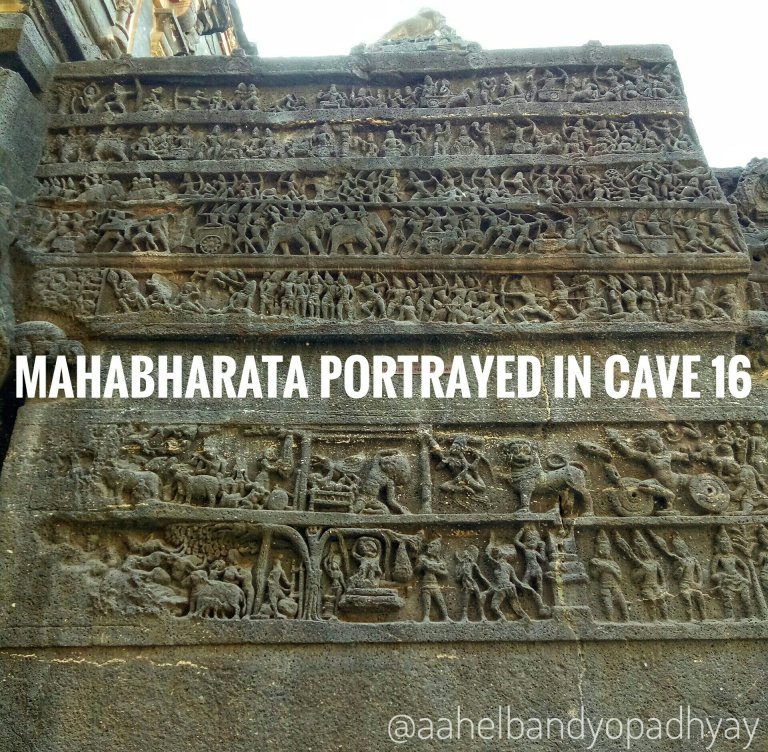
- Cave 29:-The second best best cave next to Kailash is cave no. 29 also known as Bathroom of Sita. Being situated a little away from the other hindu caves, this cave is mostly missed by the tourists.
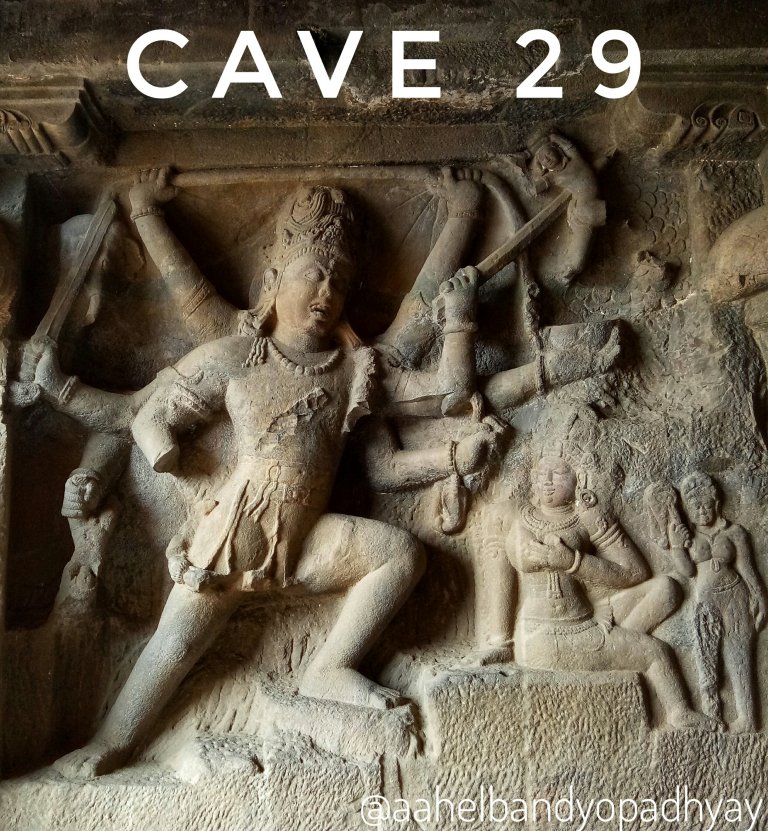
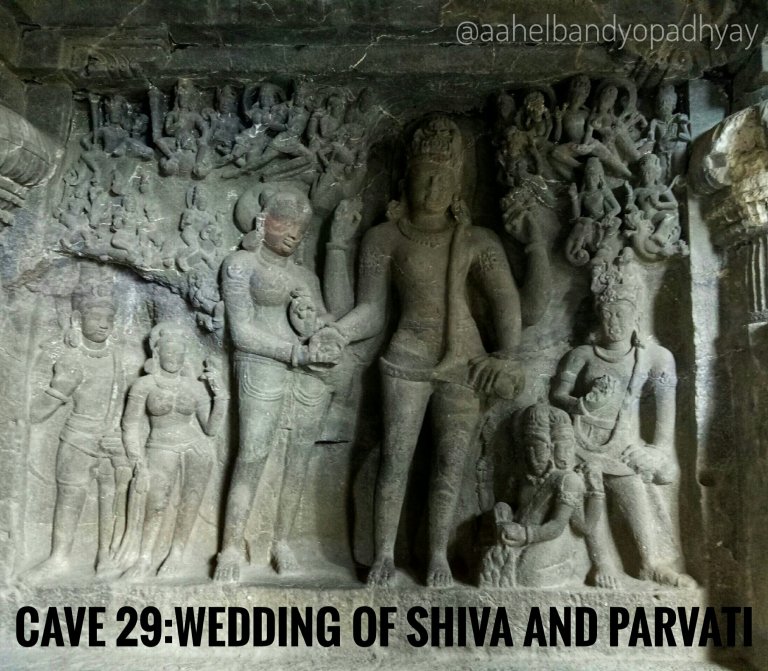
It comes in the middle of your ride to the Jain caves by bus. You can ask the bus driver to drop you at the right place and wait at the same place after your visit to the caves, to be picked up by any bus on their way back from the Jain caves.
Trust me, this extra effort of yours will be totally worth it.
Jain Caves:-
Caves 30-34 are located 2kms away from the other caves. So you need to take a bus ride to go there which are available at an interval of 15 mins..
- Cave 30:- The most beautiful of the jain caves is cave 30 or chhota kailash which is a small and incomplete replica of Kailash temple. Unlike all others, this one is built using both the Frontback and topbottom methods of excavation.


The best way to perceive the beauty of Ellora is to sit back and enjoy the birds eye view of Kailash from the cliff on the left side of the temple.
A visit to the Ellora caves remains incomplete without this enthralling experience.
 ItChY fEeT
Very nice briefing
LikeLiked by 2 people
Reblogged this on ItChY fEeT.
LikeLiked by 1 person
Darun lekha… quality photographs and beautifully organised the whole things…chaliye jaa👍
LikeLike
Thanks subhra
LikeLike
Fantabulous.. Appreciable job done by you for the people who are not aware with history..
LikeLiked by 1 person
Thanku😊
LikeLike
Ki elaborate discussion… valo besh… keep it up👍👍👍
LikeLiked by 1 person
Thanks😊
LikeLike
One of the best blog I have came across so far… Just provided a mini tour within the heart of the caves of Ajanta and Ellora… Looking forward for some more to come in future from the writer…
LikeLike
Ore baba😅
LikeLike
Wow !!! What a description of the world heritage – Ajanta and Ellora !! Can’t find any suitable words to appreciate this work. Proud of you.
LikeLiked by 1 person
Thank u
LikeLike
Ajanta Ellora jabar agey ei presentation tao dekhe neota khub joruri.
LikeLiked by 1 person
Thank you😊
LikeLike